
Natural Joint Support: What Actually Works
Explore our comprehensive editorial library on plant-based ingredients, mobility-supporting nutrients, and lifestyle habits that researchers and wellness experts believe contribute to long-term joint comfort and flexibility.
100% Natural Sources
Botanical & plant-derived
Extensively Studied
Ingredients with a long history of peer-reviewed nutritional research behind them
Wide Readership
A growing community of active adults, sports enthusiasts and wellness seekers across Spain
Highly Appreciated
Consistently well-received editorial content that readers describe as genuinely helpful
Ongoing Research
Our editorial team continuously tracks the latest nutritional science and botanical studies

Why Many Supplements Fall Short — And What the Research Actually Shows
A great number of joint-support products on the market rely on single-compound formulas that lack the synergistic complexity found in whole botanical extracts. Research increasingly suggests that the way nutrients interact within a plant matrix matters just as much as the isolated compound itself — something that reductive supplement design often misses entirely.
Dietary supplements for joint mobility and cartilage support are available in various formulations, including single-ingredient and multi-ingredient options, each with different research profiles and user preferences. tend to perform best when they combine multiple plant-derived ingredients such as boswellia, turmeric, and type-II collagen alongside cofactors like vitamin C and manganese. This multi-nutrient approach supports the body's natural connective tissue maintenance processes rather than attempting to override them.
Our editorial content focuses on helping you understand these distinctions — exploring what the science says, what labels should ideally contain, and how lifestyle choices complement any dietary supplement routine.
Read Our Joint TipsExplore Our Editorial Topics
Browse our full range of research-backed editorial guides on natural joint support ingredients, mobility-enhancing habits, and dietary supplement basics.
 Botanical Extracts
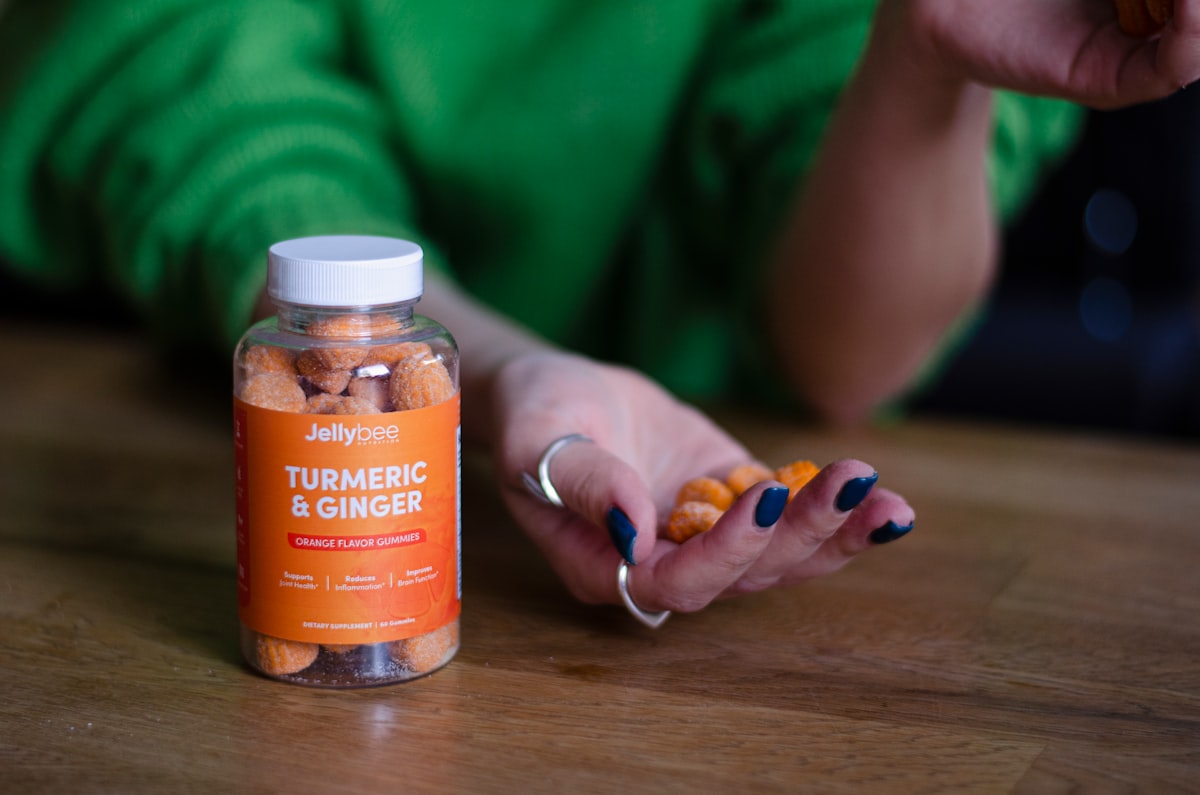
Turmeric & Curcumin: The Science Behind the Spice
Curcumin, the active compound in turmeric root, has been the subject of numerous studies exploring its role in supporting joint tissue health and normal connective function. Our editorial guide breaks down bioavailability, optimal forms, and what to look for on supplement labels.
Read Article Botanical Extracts
Boswellia Serrata: Ancient Resin, Modern Research
Extracted from the Boswellia tree native to India and East Africa, this resin has attracted growing interest from nutritional researchers for its potential role in supporting joint comfort and mobility. Discover what standardized AKBA content means and why it matters when choosing a plant-based supplement.
Read Article Cartilage Support
Collagen Types I, II & III: Which One Supports Your Joints?
Not all collagen is created equal — and for joint-specific support, type II collagen from chicken sternum cartilage is the form most commonly highlighted in nutritional research. Learn how undenatured type II collagen differs from hydrolyzed collagen peptides and which dietary supplements typically contain each form.
Read Article Cartilage Support
Glucosamine & Chondroitin: A Long-Standing Combination
These two naturally occurring compounds found in cartilage tissue have been among the most studied nutritional supplements for joint mobility support. Our deep-dive editorial reviews the available research, explains sulfate vs. hydrochloride forms, and outlines what a thoughtful, balanced dietary supplement approach looks like.
Read Article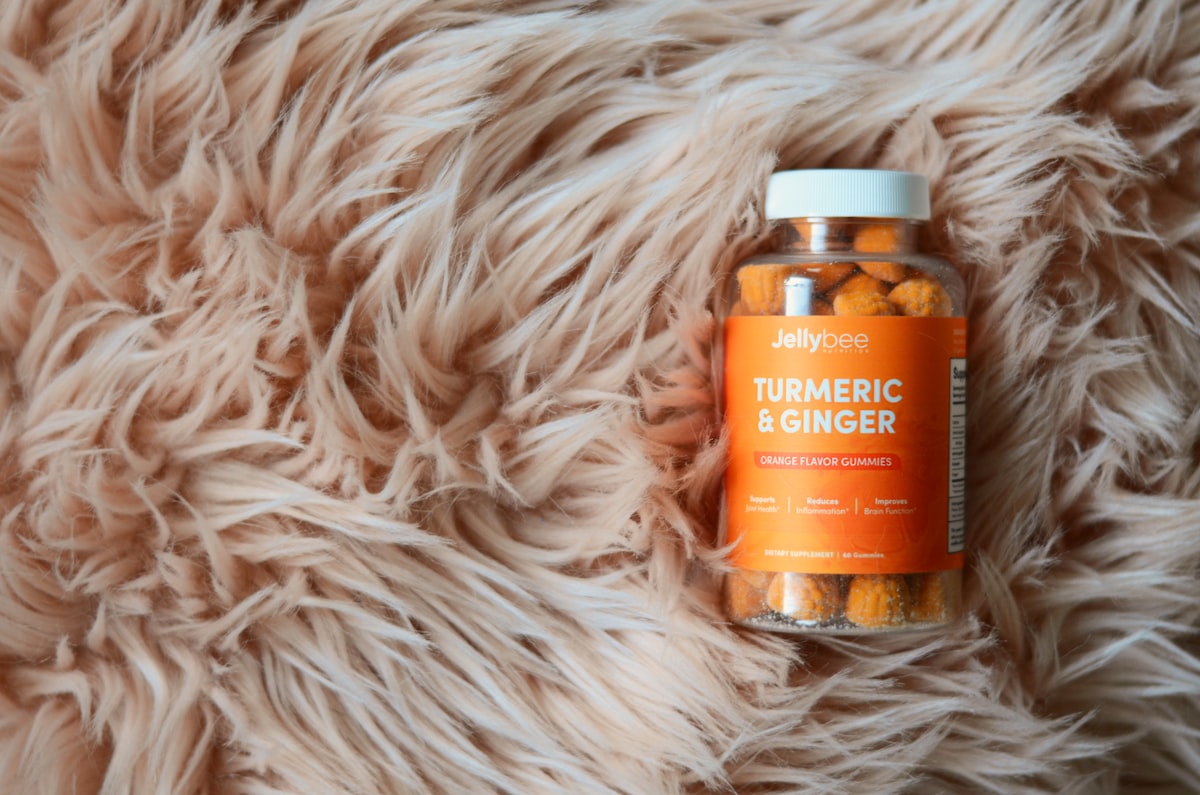 Vitamins & Minerals
Vitamins D3, C, and K2: The Musculoskeletal Trio
Vitamin D3 is required for calcium absorption and normal bone function; vitamin C contributes to collagen synthesis; vitamin K2 helps direct minerals to the right tissues. Together, these three micronutrients form a nutritional foundation frequently discussed in musculoskeletal wellness research. This guide examines their individual and combined roles.
Read Article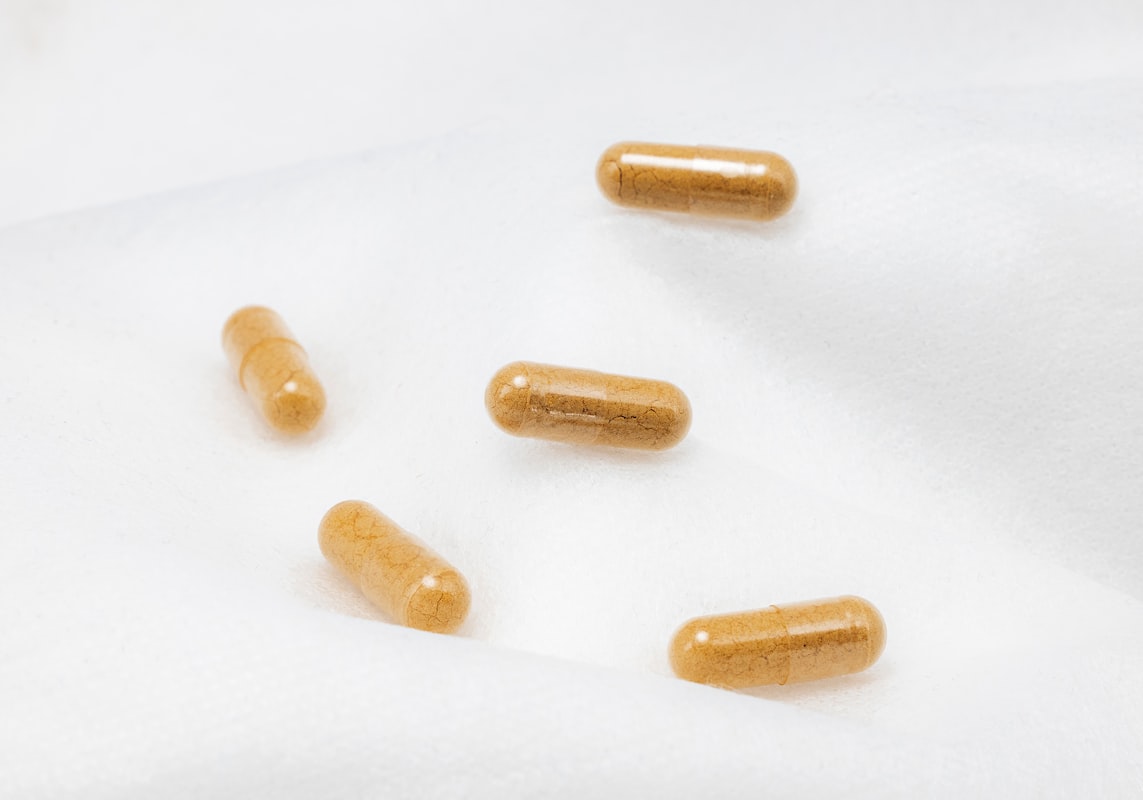 For Athletes
Natural Supplement Stacks for Active Adults and Sports Enthusiasts
High levels of physical activity place additional demands on the body's connective tissues, making dietary supplement support particularly relevant for runners, cyclists, and gym-goers. This editorial overview covers the natural ingredient combinations most frequently discussed in sports nutrition and active lifestyle research contexts.
Read ArticleNatural Compounds Covered in Our Editorial Research
Our writers have reviewed the most discussed plant-based and nutritional ingredients associated with joint flexibility, cartilage integrity, and comfortable movement.
Turmeric Root Extract
Curcuminoids from turmeric have been studied for their potential to support the body's normal tissue maintenance processes. Researchers note that combining curcumin with piperine — a black pepper compound — may enhance its absorption in the digestive tract significantly.
Boswellia Serrata
The boswellic acids found in Boswellia resin are among the most researched plant compounds in the context of joint mobility and connective tissue support. Standardized extracts — particularly those with elevated AKBA content — appear most frequently in published nutritional studies.
Undenatured Type II Collagen
Unlike hydrolyzed collagen peptides, undenatured type II collagen is thought to interact with the immune system in a way that may support the body's natural cartilage protection mechanisms. It is one of the most discussed single-ingredient topics in joint health dietary supplement literature.
Hyaluronic Acid
Hyaluronic acid is a naturally occurring molecule found in synovial fluid — the liquid that cushions joints. Nutritional supplement forms are increasingly common in joint support blends, and our editorial explores oral bioavailability research and the emerging science behind its potential benefits as a dietary addition.
Vitamin D3 & K2
Vitamin D3 and K2 are micronutrients with established roles in musculoskeletal health — D3 for calcium absorption and bone density maintenance, K2 for directing calcium to appropriate tissue sites. Their combination is commonly explored in research on bone and joint structural integrity over the long term.
Black Pepper Extract (Piperine)
Piperine, derived from black pepper fruit, is frequently included in natural supplement formulas not for its own direct effects but because it has been shown in studies to enhance the bioavailability of other plant compounds — most notably curcumin. Understanding its role helps readers make more informed choices when reading supplement labels.
How to Evaluate a Natural Joint Support Supplement
A three-step editorial framework our writers use when reviewing and comparing natural dietary supplement formulas for joint and cartilage support.
Step 1 – Scrutinize the Ingredients
We start by cross-referencing every active compound against peer-reviewed literature. Look for clinically studied forms such as UC-II® collagen, Boswellia serrata extract standardized to AKBA, and glucosamine sulfate rather than hydrochloride. Proprietary blends that hide individual dosages are an immediate red flag.
Step 2 – Verify Manufacturing Quality
A quality joint supplement should be manufactured in an FDA-registered, GMP-certified facility and ideally carry third-party testing verification from organizations such as NSF International or USP. We check for certificates of analysis and confirm that potency and purity claims are independently validated before recommending any product.
Step 3 – Weigh Real-World Feedback
Science alone never tells the full story. We analyze verified buyer reviews, screen for red flags like incentivized testimonials, and compare reported outcomes with the expected timeline for each ingredient. Consistent positive feedback over 8–12 weeks of use is a meaningful signal of genuine efficacy.